
Strengthening pathways
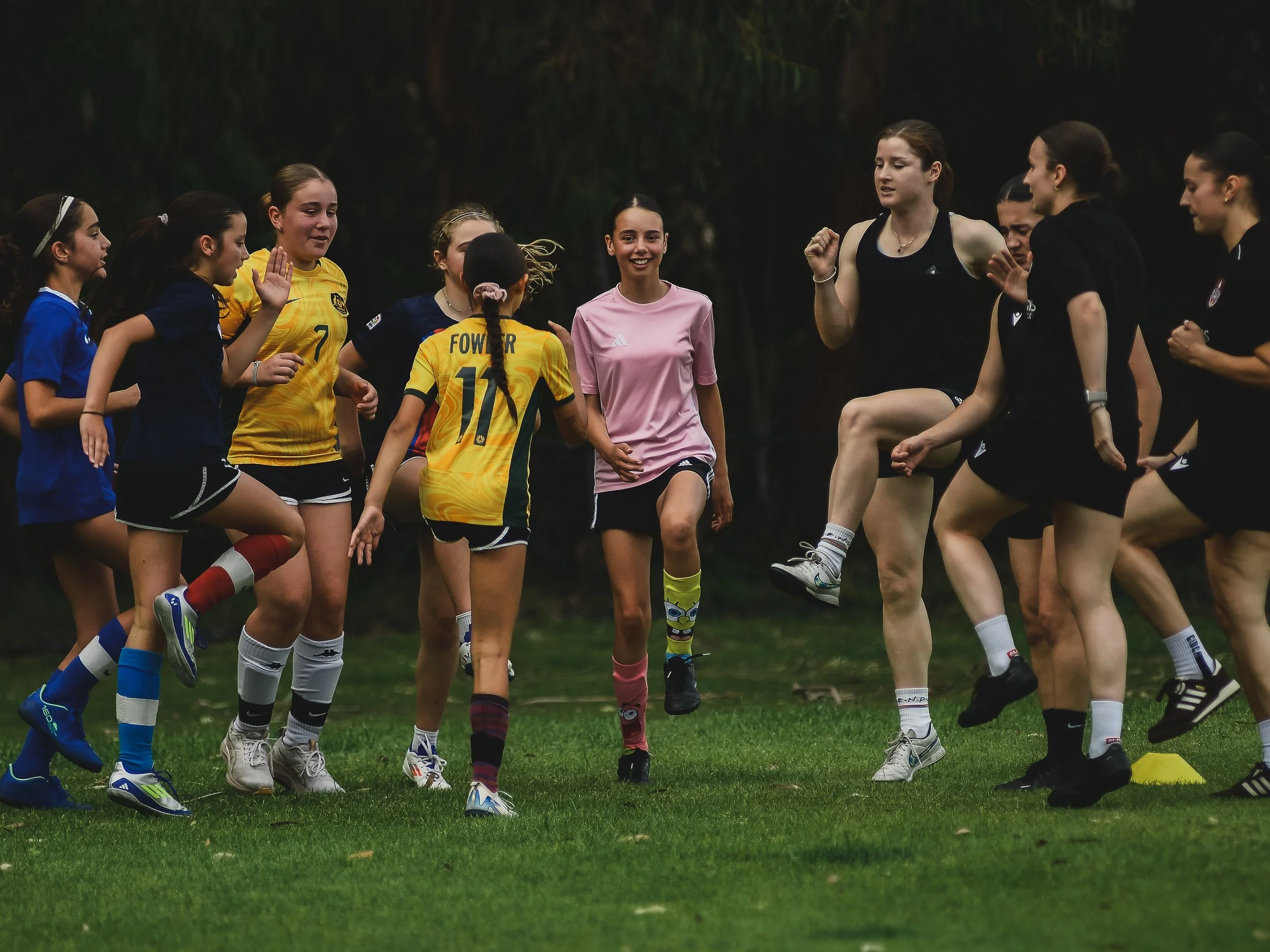
Photo credit: Kim Dumayne
Culture is often talked about as something organic, as though it “just happens” if the right people are in the room.
In reality, culture is usually the result of small, intentional decisions. It’s shaped by how visible pathways are, how accessible leaders feel, and how much care is taken in the spaces between age groups, teams and roles.
At Alamein FC, we’ve been thinking carefully about this as our club continues to grow. “Culture” is something that is actively discussed, strategised and analysed at every Board meeting.
Our senior players in the NPLW Professional League train on the same ground as our junior teams several nights a week. They share facilities, schedules and colours but, like most clubs, there hasn’t traditionally been much interaction between those groups. Everyone trains. Everyone gets on with their jobs. And the opportunity for connection can easily be missed.
This season, we decided to change that in a simple but deliberate way.
Making pathways visible, not abstract
This month we introduced a buddy system across the club, which will continue all season, pairing each NPLW and Under 20s player with a junior player from our U11–U13 Academy and VYPLG (junior NPL) teams.
The intention wasn’t to create a formal mentoring program with rigid structures or expectations. Instead, it was about familiarity: recognising faces, building comfort, and allowing relationships to form naturally over time.
For younger players, pathways can often feel distant or impossible to reach, something spoken about, rather than something they can see. Training alongside senior athletes is one thing; feeling known by them is another. The Alamein buddy system was designed to bridge that gap.
Leadership moves both ways
The first gathering of buddies took place on a Friday night between junior and senior training sessions. Players met, asked a few icebreaker questions, and then moved into a shared activity.
Our junior players have been working closely with a strength and conditioning coach this pre-season, learning movement fundamentals and building confidence in their physical capabilities. So we asked them to lead the senior players through these exercises as a warm-up to the seniors’ training.
Suddenly, the dynamic shifted.
The juniors led. The seniors followed. There was laughter, concentration, plenty of encouragement and a generous sprinkling of sass in both directions.
What stood out was not the novelty of the moment, but how quickly everyone adapted to it.
For the younger players, it reinforced confidence and ownership of their learning. For the senior players, it was a reminder that leadership isn’t about hierarchy, it’s about presence, humility and engagement.

Photo credit: Kim Dumayne
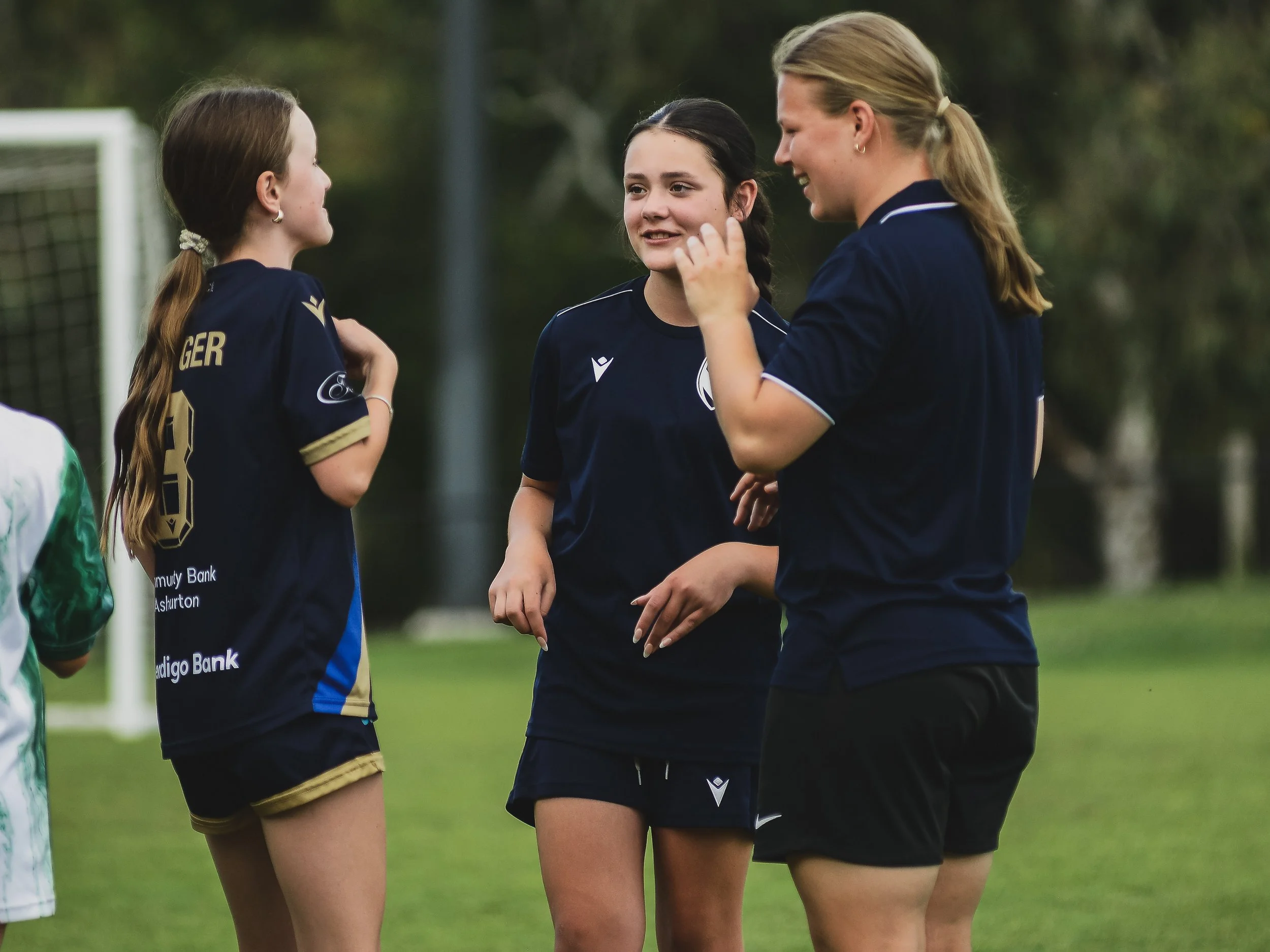
Photo credit: Kim Dumayne
This is important for women’s sport
In women’s sport, retention, visibility and belonging remain ongoing challenges. Clubs play a critical role not just in developing athletes, but in shaping environments where girls feel supported to stay involved, not only as as players but also as leaders and role models.
Being an all-female club gives Alamein FC a unique opportunity in this space. Our youngest players have direct access to women who are performing at an elite level, who understand their experiences, and who are willing to invest time and attention in those coming through.
When that access is intentional rather than incidental, it becomes a powerful development tool.
Culture doesn’t happen by accident
The buddy program is a small initiative. It doesn’t require significant resources or structural change, just a bit of organisation in the background and the willingness of the Senior and Under 20s players to give back (which they have in abundance). But it does reflect something larger about how we think about culture at Alamein.
We believe strong clubs are built by:
Making pathways visible and human,
Recognising that leadership exists at every age, and
Creating environments where learning moves both ways.
These decisions rarely attract headlines, but they contribute directly to performance, retention and long-term success.
It’s been encouraging to see how naturally this initiative has been embraced by everyone at the club, and it feels like a strong foundation to build on as the season unfolds.
