
Why more girls are playing football
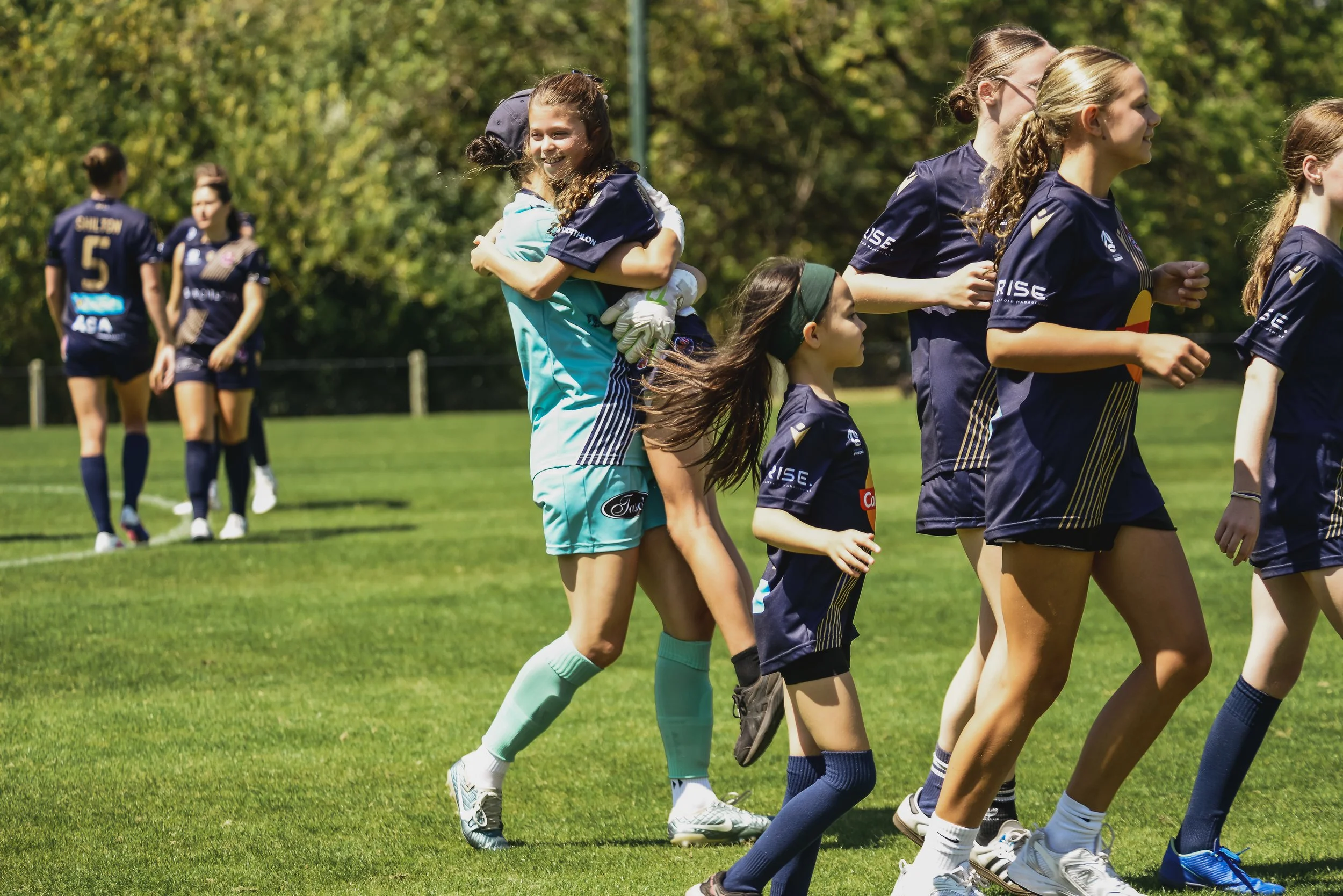
Many families searching for girls’ soccer teams or football pathways are now prioritising environments that offer long-term development and positive culture.
Across Australia and around the world, more girls are stepping onto football pitches than ever before. Participation numbers are rising, media attention is growing, and young players are seeing role models in ways that simply did not exist a generation ago.
But beneath the headlines and tournament buzz, something deeper is happening. At community level, the culture of the game itself is shifting. Families are engaging with football differently. Clubs are thinking differently about pathways and development. And for many girls, playing sport is becoming not just an activity, but an important part of how they see themselves.
This growth is often described in terms of the “Matildas effect” or the global visibility of elite women’s football. These influences are real and powerful. Yet the most meaningful changes are unfolding week by week on suburban grounds, where participation turns into confidence, belonging and aspiration.
The growth of girls’ football and soccer participation
The increase in girls playing football, or soccer as it is still widely searched and understood in Australia, is one of the most encouraging developments in sport. More primary-aged girls are joining teams. More teenagers are choosing to stay involved through secondary school. More families are actively seeking environments where girls can develop their skills and love of the game. Girls have driven up participation numbers in Australia to the point that football is now the most-played sport in the country.
At the same time, expectations are evolving. “Participation alone” is no longer the only measure of success. Players and parents alike are increasingly looking for clear development pathways, visible role models, and a sense that the girls’ game is valued on its own terms.
This shift challenges community clubs like Alamein FC to think carefully about the experiences they create. It is no longer enough to simply provide a place to play. The most positive environments are those that foster progression, connection and ambition in equal measure.
What grassroots football clubs are seeing first-hand
At club level, the most noticeable change is not just in numbers, but in mindset. We have noticed that young players are arriving with greater awareness of the women’s game and a stronger belief in what may be possible. At the same time, our Senior players are stepping into mentoring roles more naturally. Training sessions at Alamein are increasingly shaped by long-term development thinking, rather than short-term outcomes.
Equally important is the social dimension. Teams are spaces where friendships deepen, confidence grows and leadership skills emerge. For many teen and pre-teen girls, football provides a structured environment in which they can test themselves physically and emotionally, while feeling supported by peers and coaches who understand their journey.
Community clubs are also seeing the impact of visibility. When younger players regularly watch their older teams train or compete, aspiration becomes tangible. The pathway is no longer abstract. It is something they can observe and imagine themselves moving towards.
Development pathways in women’s football
As participation grows, the importance of coherent pathways becomes clearer. Girls who develop a strong foundation in the game are more likely to remain involved if they can see meaningful progression ahead. This progression does not need to be defined only by elite outcomes. It can also include leadership opportunities, coaching roles, social participation or lifelong engagement with sport.
However, the presence of visible senior teams, structured development programs and a culture that values girls’ football at every level can make a significant difference to retention and motivation. When players feel that their efforts are recognised and their ambitions are taken seriously, they are more likely to stay connected to the game.
This is one of the defining challenges and opportunities for clubs in the coming decade: to create environments that support both participation and aspiration in sustainable ways.
The benefits of girls playing team sport
Ultimately, the growth of girls’ football is about more than competition results or participation statistics. It reflects a wider societal shift in how sport contributes to young people’s development. Regular involvement in team sport is linked with resilience, communication skills, emotional wellbeing and confidence. For girls in particular, these experiences can shape how they navigate challenges both on and off the field.
As communities place increasing value on inclusive and supportive sporting environments, football has an opportunity to demonstrate leadership. Clubs that prioritise positive culture alongside performance are helping to redefine what success in youth sport can look like.
The benefits of girls playing team sport
The rise in girls playing soccer is not simply a trend driven by recent international tournaments. It is part of a generational movement that is reshaping expectations around opportunity, representation and participation in sport.
For community clubs, this moment brings responsibility as well as optimism. The choices made now about facilities, pathways, coaching and culture will influence whether today’s growth translates into lasting engagement with the game.
Stories from grassroots environments offer an important perspective on this evolution. Our recent short film This Is Our Game captures some of these experiences through the voices of players themselves, from juniors discovering their confidence to senior athletes helping shape what comes next.
As interest in girls’ football continues to build, the collective focus should remain not only on how many girls are playing, but on the quality of the environments in which they play. That is where the future of the game will ultimately be decided.
Continue reading:
Explore sponsorship and partnership opportunities at Alamein
Watch the short film ‘This Is Our Game’ to hear directly from players experiencing this growth
In Melbourne and across Victoria, community football clubs are experiencing strong growth in girls’ participation, as interest in the women’s game continues to expand.
